
2 min read ·
What Does Love Mean in Padel Scoring?
Love means zero in padel. Learn how to read 15-love and 40-love, distinguish points from games, and understand the uncertain origin of the term.
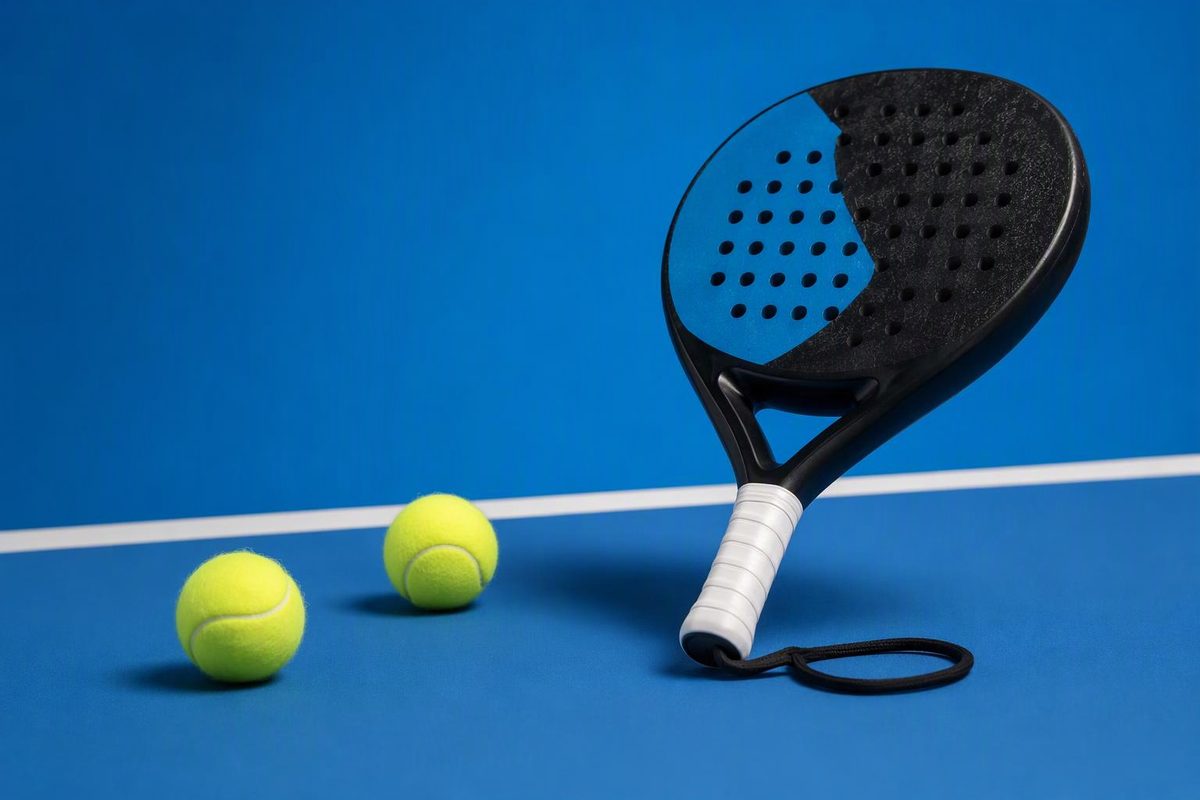
“Love” means zero in padel scoring. It is not a separate scoring system: it is the word used for no points in an ordinary game, as in tennis. The International Padel Federation’s rules effective from 1 January 2026 explicitly list “No point ‘Love’,” followed by 15, 30, 40 and game.
How to read a score containing love
Call the serving pair’s score first, then the receiving pair’s. These examples refer to points within the current game, not games won in the set.
| Score called | Serving pair’s points won | Receiving pair’s points won |
|---|---|---|
| Love-all | 0 | 0 |
| Fifteen-love | 1 | 0 |
| Love-fifteen | 0 | 1 |
| Thirty-love | 2 | 0 |
| Forty-love | 3 | 0 |
The labels 15, 30 and 40 represent the first, second and third points won; they are not literal totals of 15, 30 or 40 rallies. The LTA’s tennis scoring guide explains the same progression and confirms that 15-love means the server has won one point and the opponent none.
For example, if your pair is serving and wins the first three points, the calls are 15-love → 30-love → 40-love. You have not yet won the game at 40-love. Winning the next point completes it; losing that point makes the score 40-15. When the next ordinary game begins, both pairs’ point totals reset to zero.
Love is not deuce—and a 6–0 set is a different measure
Love describes a zero score. Deuce is a tied score at 40–40, first reached when both pairs have won three points each. What happens next depends on the scoring format:
- Advantage: a pair must win two consecutive points from deuce.
- Golden Point: the next point decides the game.
- Star Point: a deciding point is played if two advantage opportunities fail to settle the game and the score returns to deuce for a third time.
These are the three game-scoring options in the 2026 FIP rules. None changes what love means.
Keep the scoring level clear when reading results. 40–0 is a point score within a game; 6–0 is a set score counting games. Losing a set 6–0 does not mean the losing pair won no points: it may have won points in every game without winning any game.
A tie-break uses a different count. FIP specifies zero, one, two, three, and so on—not the love, 15, 30, 40 progression. For serving, sets and the wider rules, see our padel game guide.
Why is zero called love?
The meaning is established; the word’s origin is less certain. Merriam-Webster’s account treats the familiar explanation involving French l’œuf (“the egg,” supposedly resembling a zero) as folk etymology because evidence for that French scoring usage is lacking. It considers “playing for love”—rather than for stakes—a more accepted explanation, but does not present the origin as settled.